


Wes Cordingley
5K 17:36
from 19:33 · in 4 months
Work, family, then a 9pm run. Debut marathon 2:46:51, ten months in.

10 spots each month intake opens indayshrsminsec
We go through your training every week, adjust what needs moving, and tell you exactly why.
Coached by Sami Merhi and Seth O'Donnell. No lock-in. Cancel anytime.
I train hard, do the strength work, pay for physio when things flare up, and spend hours reading about training trying to find what I'm missing. When I started, my times kept falling. Now they don't. Sessions feel hard but the numbers barely move. The guys I race with are pulling away and the ones behind me are catching up. My answer has always been to push harder, until another niggle shows up and I'm starting again. I know I haven't hit my ceiling. I just can't see what's standing in the way.
I've been putting everything into this. I train hard, I do the strength work, I pay for physio when things flare up, and I spend more time than I should reading about training and watching videos trying to find the thing I'm missing. When I started running my times just kept falling. Now they don't. My sessions feel hard but the numbers barely move, and when a workout comes in slower than last time I spend the rest of the day second-guessing whether I'm doing too much, not enough, or just doing it wrong. The guys I race with are pulling away and the ones behind me are catching up. My answer has always been to push harder, until every few months another niggle shows up and I'm starting again. I've told myself feeling flat and sore is just part of running. I'm not so sure anymore. I know I haven't hit my ceiling. I just can't figure out what's standing between where I am and where I should be.
There's always a niggle and I run through it. If I feel good, I run more: a longer warm-up, a run home after the session, a harder long run because the others are doing it. The sessions are always fast. Then one run is the last straw, I can barely walk for a few days and I'm out for a month or more. I get treated, but nobody tells me it's the training. Every time I feel like I've built something, I have to start again.
There's always something. A burning ache I press on and hope is nothing. I get treated and I spend a lot of money on consults, but nobody ever tells me it's the training, so I keep doing what I'm doing. If I feel good, I run more. A tempo day turns into a whole morning: jog to the park, do the session, run home, and 16K becomes 21. My easy runs aren't easy, there's no bounce in my legs, and the sessions are always fast. I'm sore through them and I just run through it. Then one run is the last straw, usually a long run that's longer or hillier than it needed to be because the other boys were doing it. A few days later I can barely walk and I'm out for a month or more. I've been told the pain might never fully go away. And every time, just when I feel like I've built all this work up, I know I'll have to start again.
Running was always my thing, then work took over. Now I'm watching colleagues cross half marathon finish lines and I want to race again, properly. But my week is already full. I've started structured plans before, then a big work week or a trip lands and the whole thing falls apart. What I need is a plan that fits my week, and someone I can message when life gets in the way instead of quietly falling off the program.
Running was always my thing, then work took over and I let it go. Now I'm watching colleagues cross half marathon finish lines and I'm ready to get back into it properly. Not just jogging to stay healthy, actually racing and getting faster. The problem is my week is already full, and I'm not going to waste the little time I have guessing whether my training is doing anything. I want a real plan, but I know how this goes: I start something structured, a big work week lands, travel comes up, and the whole thing falls apart. So I keep waiting for the right moment, and it never arrives, and nothing changes. What I need is someone who builds the plan around my week instead of expecting my week to bend around the plan. Someone who tells me if I'm doing too much or can handle more, and who I can message when something comes up instead of quietly falling off the program.
Either way, the effort's already there. What's missing is someone looking at the whole picture.
World-class training for everyday runners. Your plan, your data and two coaches who know you, so every week builds on the last.
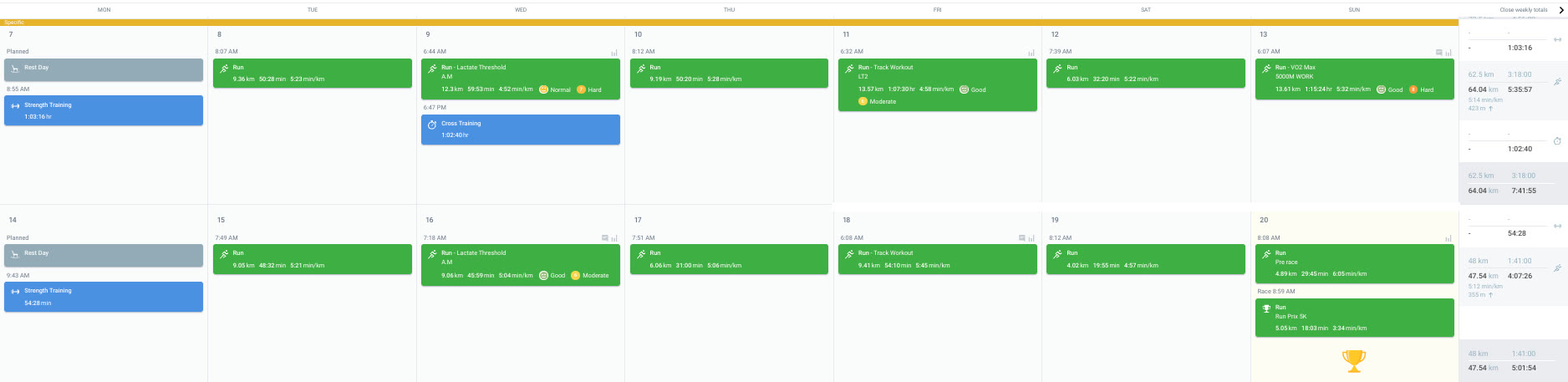
Work, travel, a niggle, a big week. When something comes up, we move things around for you.
Same 5 x 6 min, same 10 x 3 min, so we can see if your heart rate's settling from rep to rep and when you're ready for more.
Fitness goes quicker than it's built. When you're feeling great we'll hold you back, so it goes into the sessions that count.
The easy part is getting the sessions done. The hard part is actually recovery.
We go through your Final Surge every week and comment on your sessions. Fortnightly 15 minute calls, WhatsApp in between.
More results on our Instagram
5K 17:36
from 19:33 · in 4 months
Work, family, then a 9pm run. Debut marathon 2:46:51, ten months in.
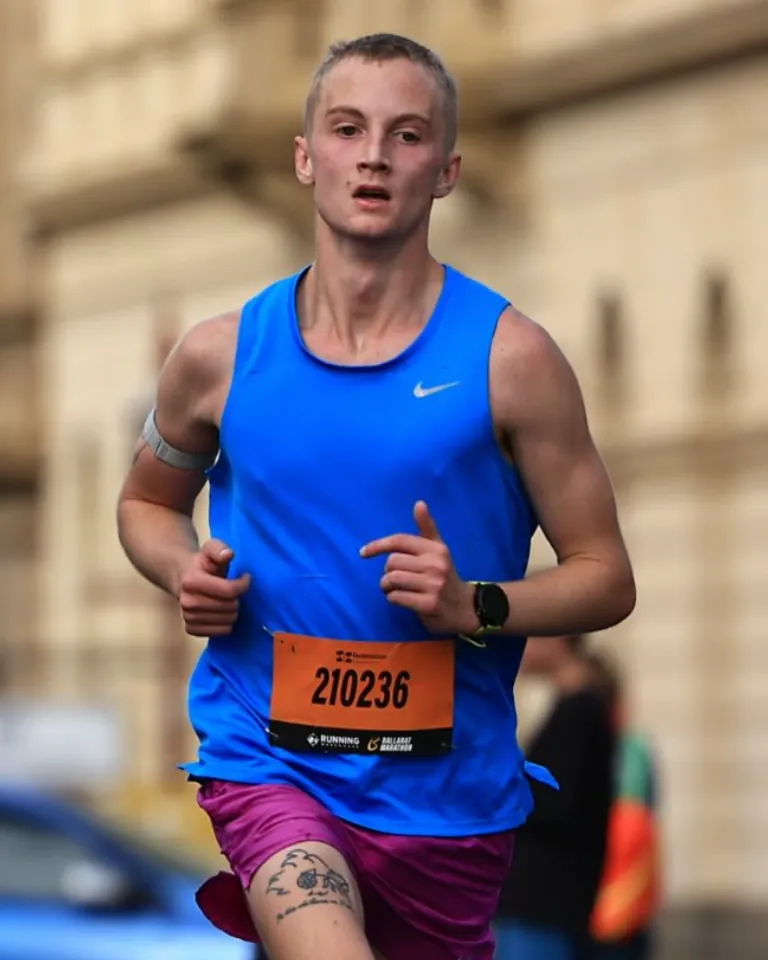
1500m 3:51.08
from 4:03 · in 10 months
Our fastest result. 3:51 for 1500m in Belgium, 12 seconds faster in ten months.
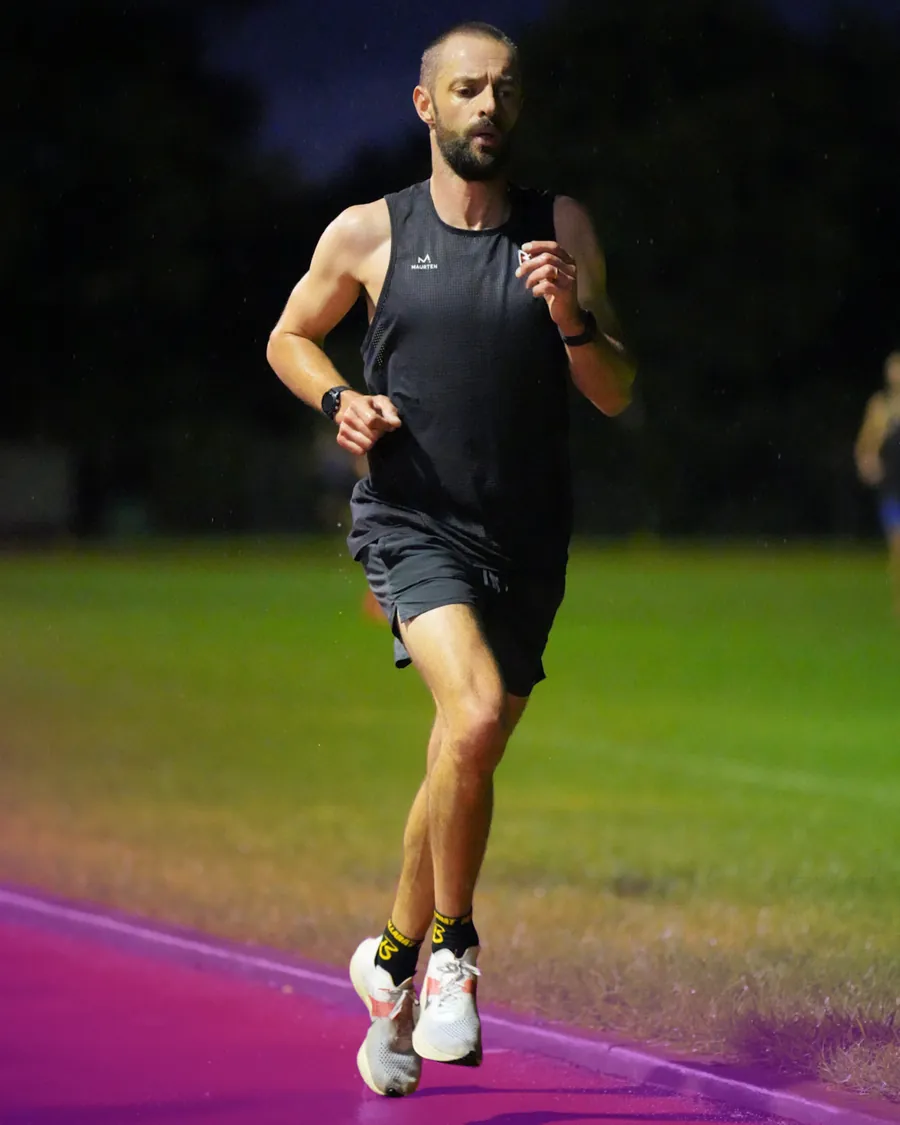
5K 16:23
from 17:10 · in 6 months
Joined at 42. Busy job, two young kids. Faster at every distance in one year.
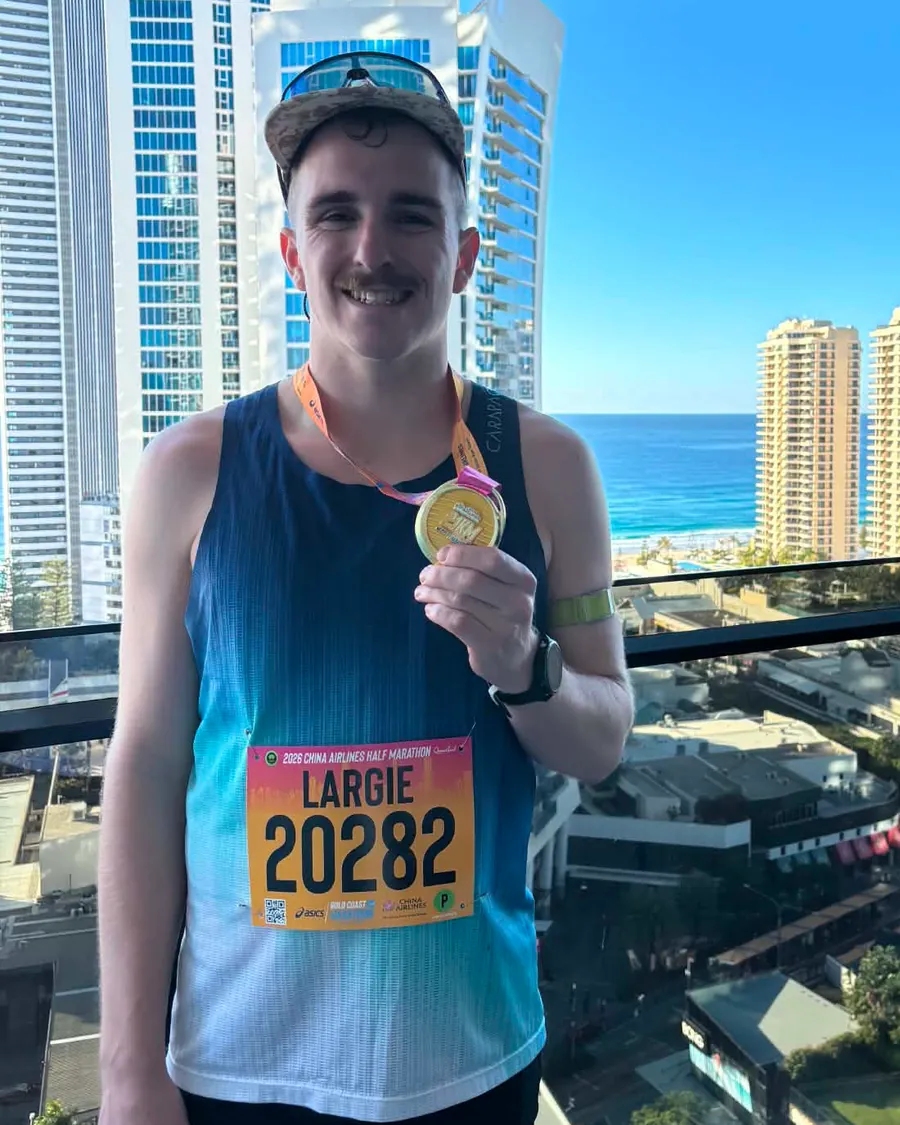
10K 31:13
from 33:40 · in 6 months
Shift worker. Albury. No perfect schedule.
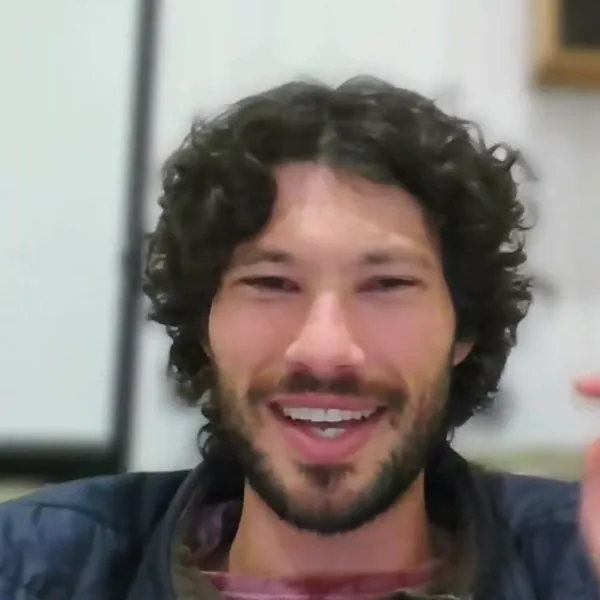
5K 18:00
from 20:19 · in 9 months
Runs his own business. Coached from interstate.
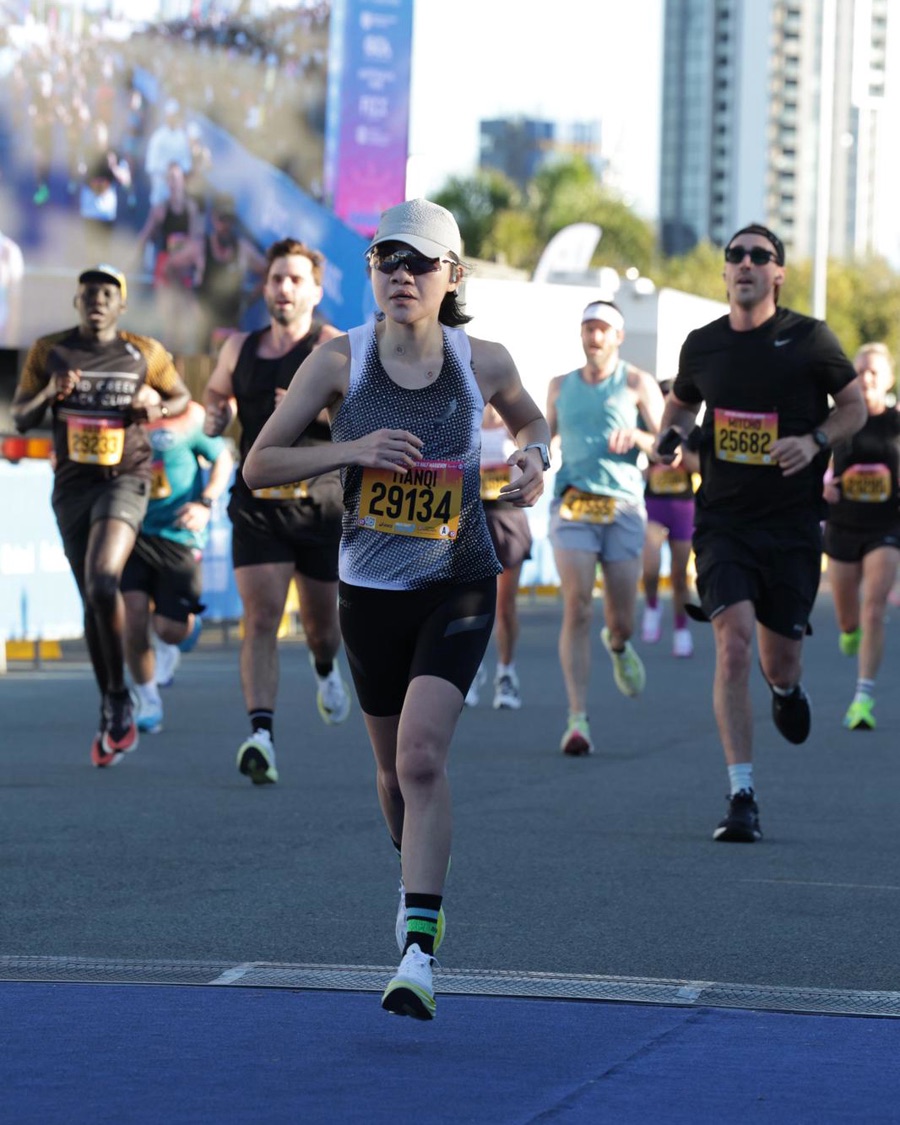
Marathon 3:13:05
from 3:22:32 · in 7 months
Came back from a stress fracture wanting to run safer and faster.
20 minutes, and an honest read on where you're at.
Apply for coachingWe built Pace Theory together in Melbourne and we coach together, online, wherever you live. Your training gets adjusted every week. We know your race calendar, your injuries, your work schedule, and what your last session actually felt like.

Co-founder and head coach
Up at 4am before barista shifts, sure sub-16 was close. Stuck for years. Rebuilt from osteitis pubis and ran 15:51.
Sami was up at 4am. Working full time as a barista, on Sundays he'd get a 24K long run done before a 40-minute drive and an 8.5-hour shift on his feet. He ran 17 minutes for 5K, got to 16:40 within a few months, and figured sub-16 was close. It took years.
Commitment was never the problem. He thought the answer was more: extra kilometres on top of his plan, racing his training sessions, building to 130 to 140K a week. For almost two years he ran through a burning pain in his pelvis, then joined a hilly 30K group run because the other guys were doing it. A week later he was diagnosed with osteitis pubis. A physio told him the pain might be there for life.
It wasn't. He learned to control his threshold instead of racing it, placed his strength work so it didn't compete with his running, and for the first time he could stack weeks without a setback. He rebuilt to around 100K a week and ran 15:51 for 5K.
He knows what it takes to fit serious training around a full life. That's what he builds for his athletes.
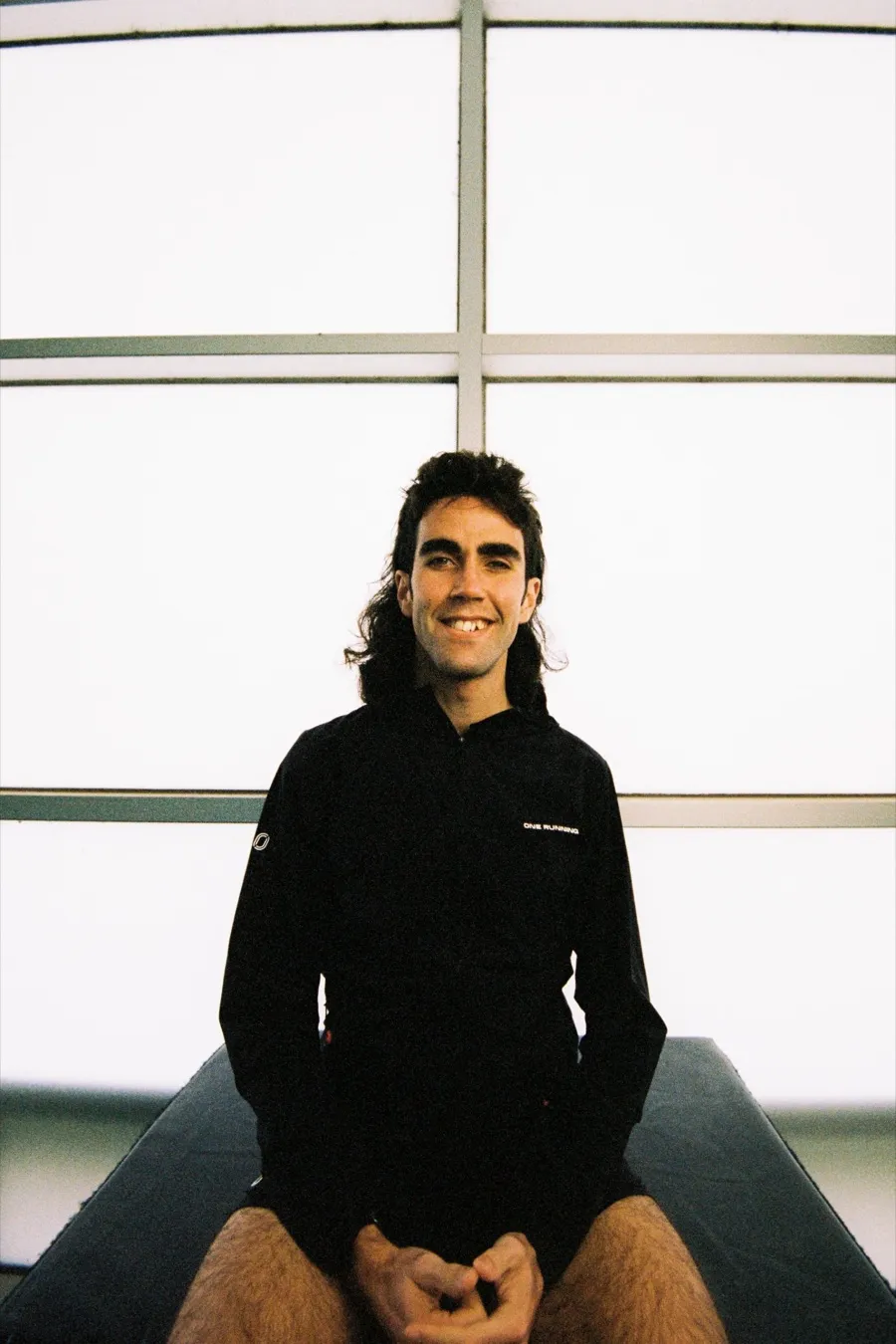
Co-founder and head coach
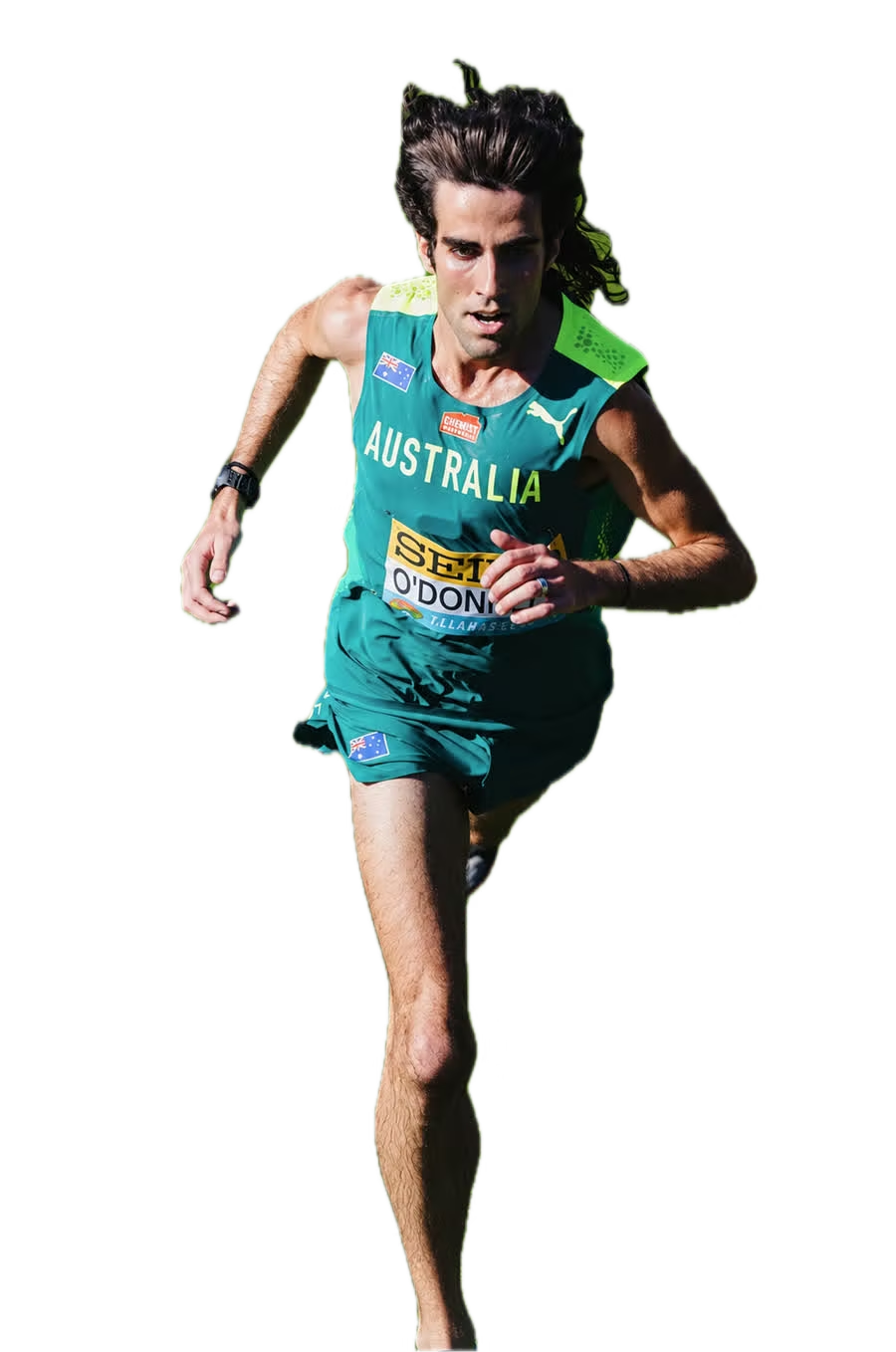
Came to running from footy at 19. Has since raced the World Championships and Commonwealth Games.
At 19, Seth took up running properly. His first 1500m was 3:57, leading from the gun. He's since won national cross country and track titles and the Melbourne Half Marathon, and raced the 5000m at the 2025 World Championships in Tokyo and the 2026 Commonwealth Games. His PBs are 13:12 for 5000m and 1:01:20 for the half.
He came to running from footy. At 16 he won an under-19s flag with the Dingley Dingoes, and in his final year of school he won a state athletics title on footy fitness alone. His grandfather was the club physio at Hawthorn, where he always wanted to play.
What he brings to athletes is the ability to read when to push and when to pull back. He came to running late, built fast, and knows which variables actually move performance. His athletes don't just get fitter. They understand why.
He's also a qualified physiotherapist, which shapes how Pace Theory approaches load, niggles and return to running.
Is this you
We keep the roster small so every athlete gets proper attention.
Athletes around the world
Three minutes. Where you're at, what you're chasing and what's getting in the way.
Sami and Seth go through it before the call, so we don't start from scratch.
We work out together whether we're the right fit for your goal.
If we're a match, we build it around your week, your history and your goal.
No. No lock-in, cancel any time by email or WhatsApp with no notice period. You keep access until the end of the period you've paid for. We'll walk you through how it works and pricing on your call.
Sami or Seth, the two co-founders and head coaches. You have one coach who knows you and your training, and they write your plan and run your check-ins.
Your plan built week to week in Final Surge and synced to your watch, a check-in call every fortnight, feedback on your key sessions, and WhatsApp support in between. Strength and fuelling guidance is built into your plan.
If you train seriously and want it to show in your times, yes. We coach anything from 1500 m to the marathon, starting from where you are now, not a template.
Within 24 hours. Message us on WhatsApp whenever something comes up, and we'll get back to you within a day.
With an app you have to decide yourself how hard you push, or whether you should do the session today. A lot of runners end up asking ChatGPT if they should do threshold when they're a bit tired. We look at your data every week, and when your heart rate's drifting or your easy runs are creeping faster, we change the plan. Sometimes that means telling you to do less.
That's exactly who we build for. Your plan fits around work, family and travel, and when your week changes, so does the training.
Yes. Tell us about it in your application and we'll talk it through on the call. Seth is a physio, and a lot of the runners we coach came to us after getting stuck in an injury cycle.
We keep our numbers deliberately small. When we're full, we're full.
20 minutes, and an honest read on where you're at.
If we don't think we can help you, we'll tell you on the call.
This month is full
10 spots each month. By joining you agree we can email you about the next intake. Opt out anytime.
We'll match you with your coach based on your goals, race distance and training history.
No pressure, no obligation to join
Pace Theory coaching
Apply for coachingNext intake opens in